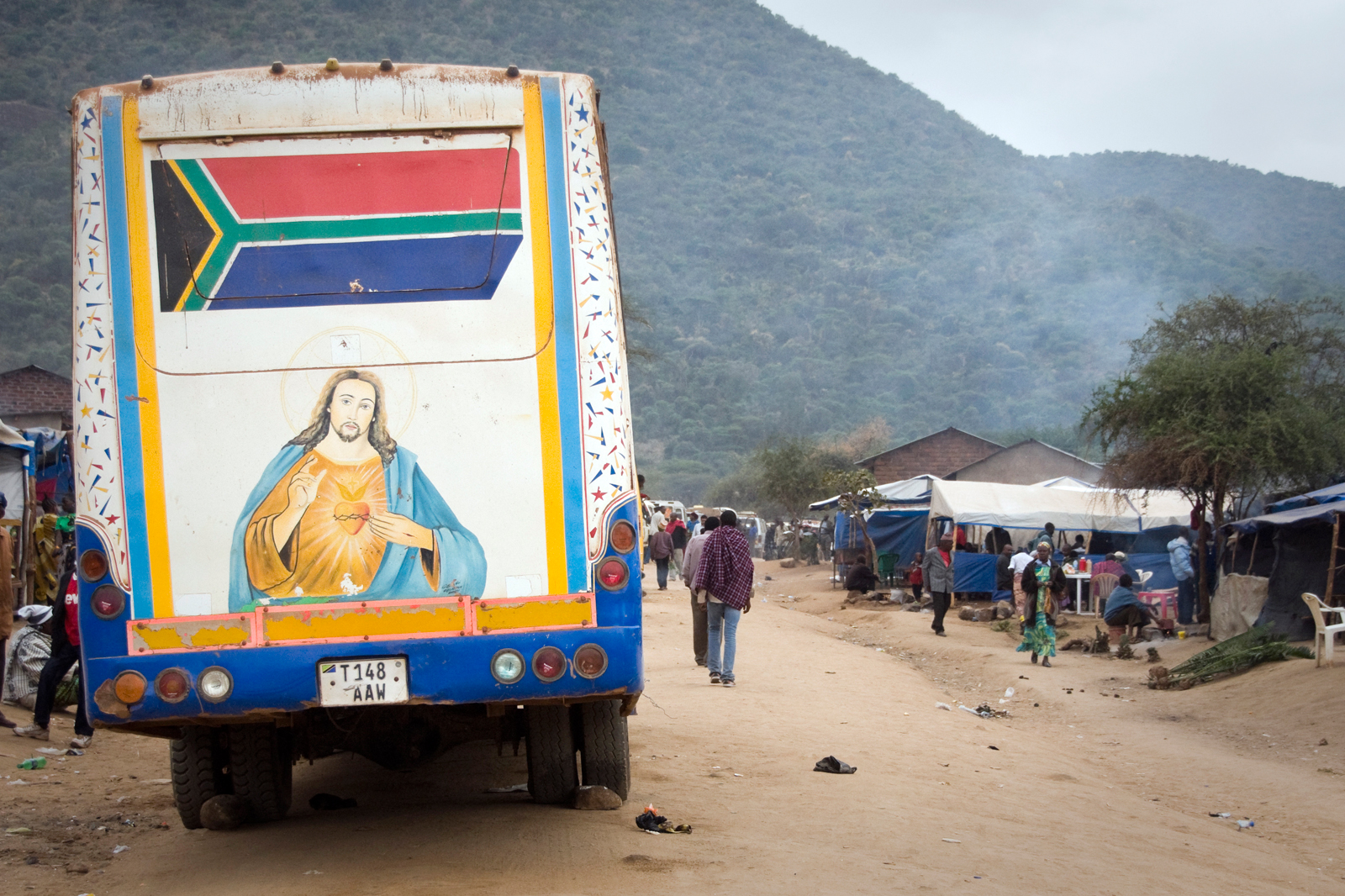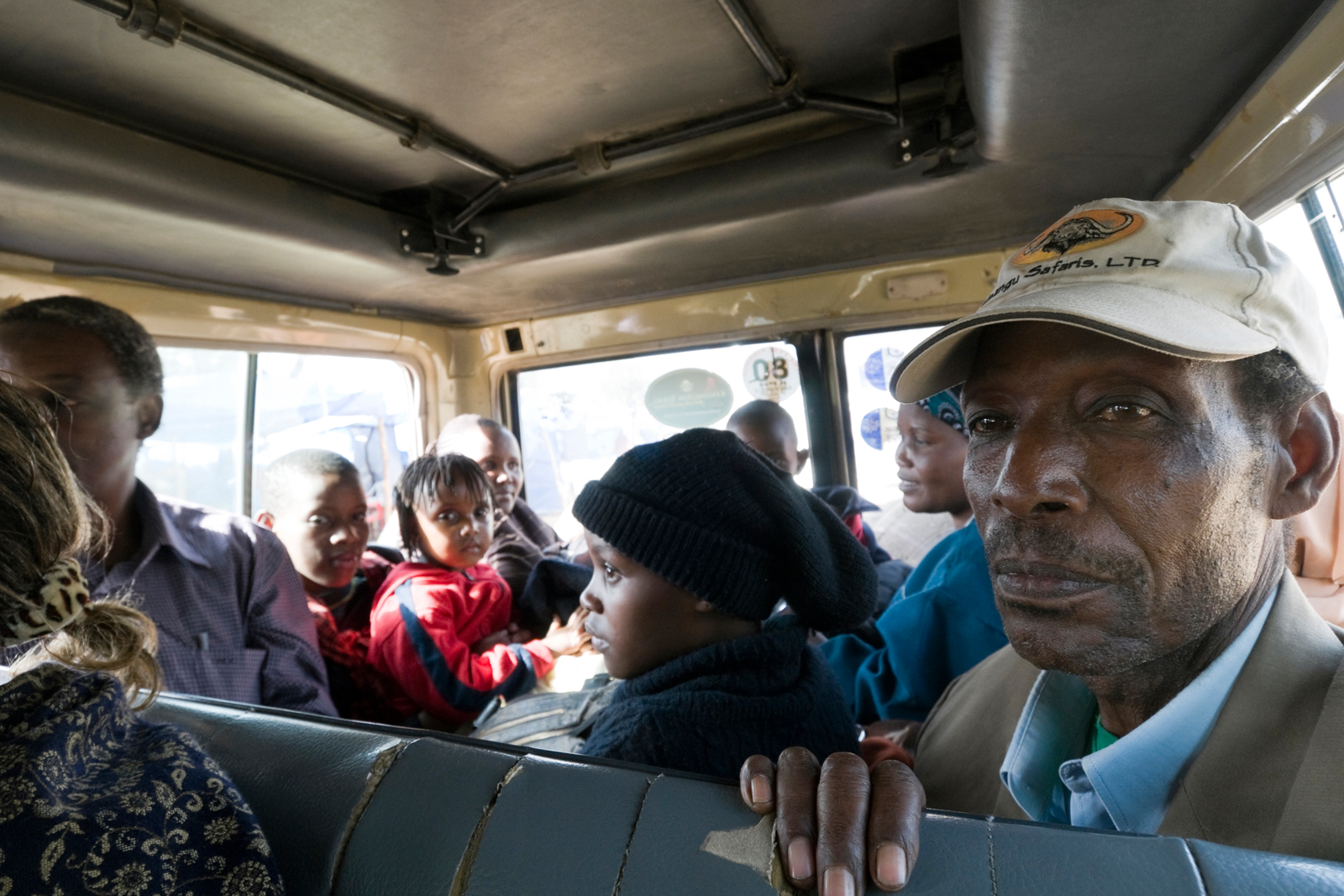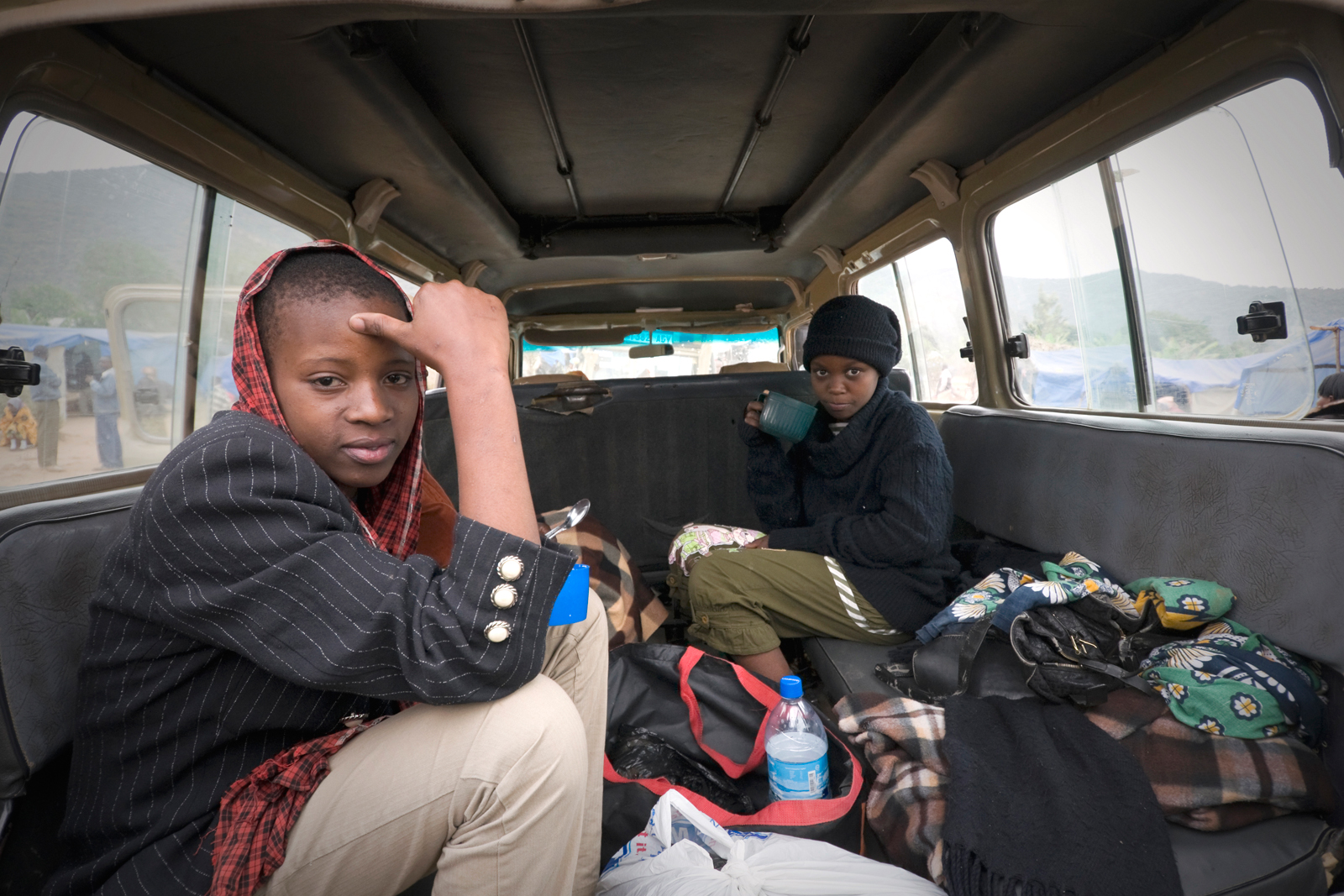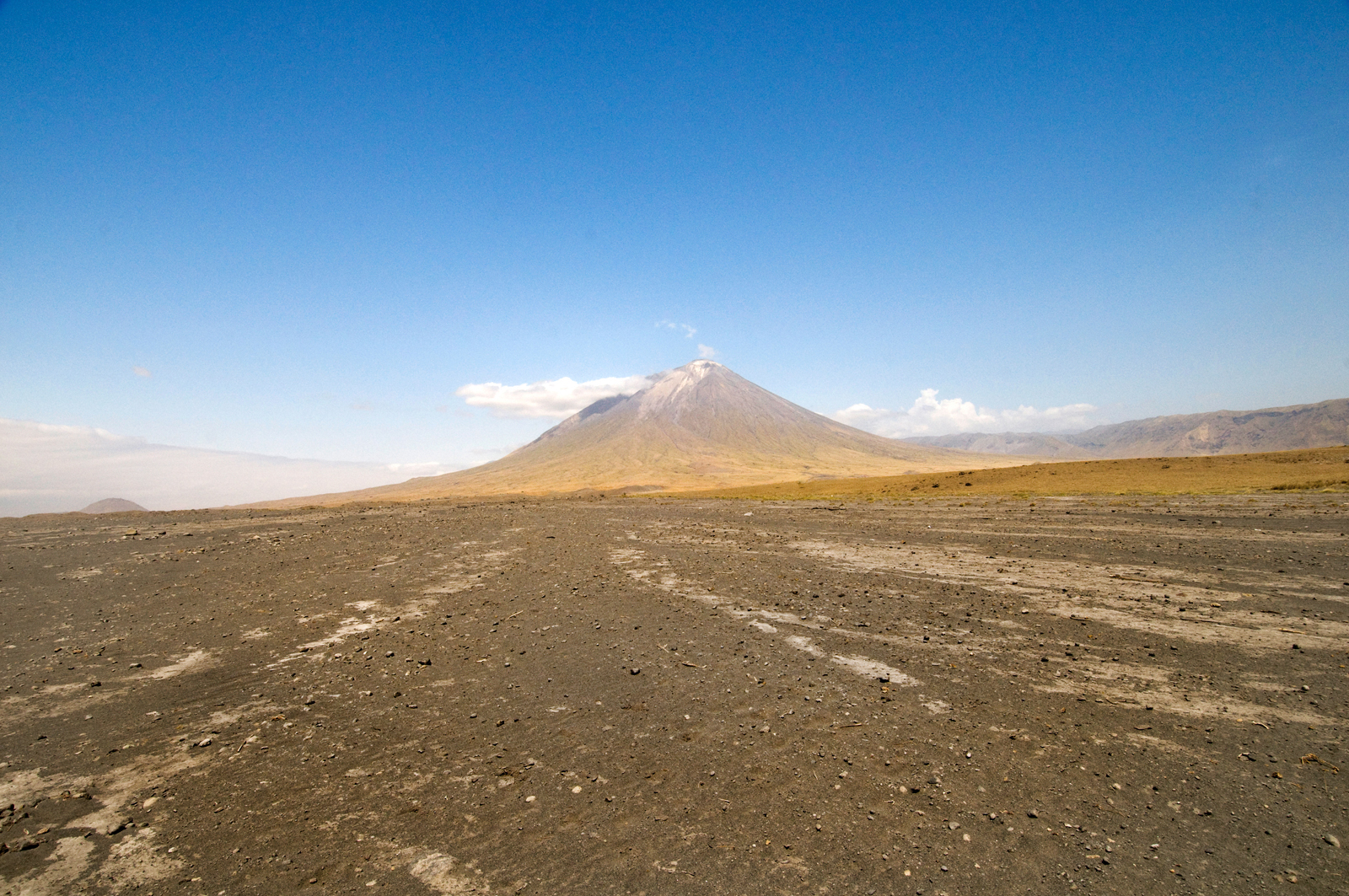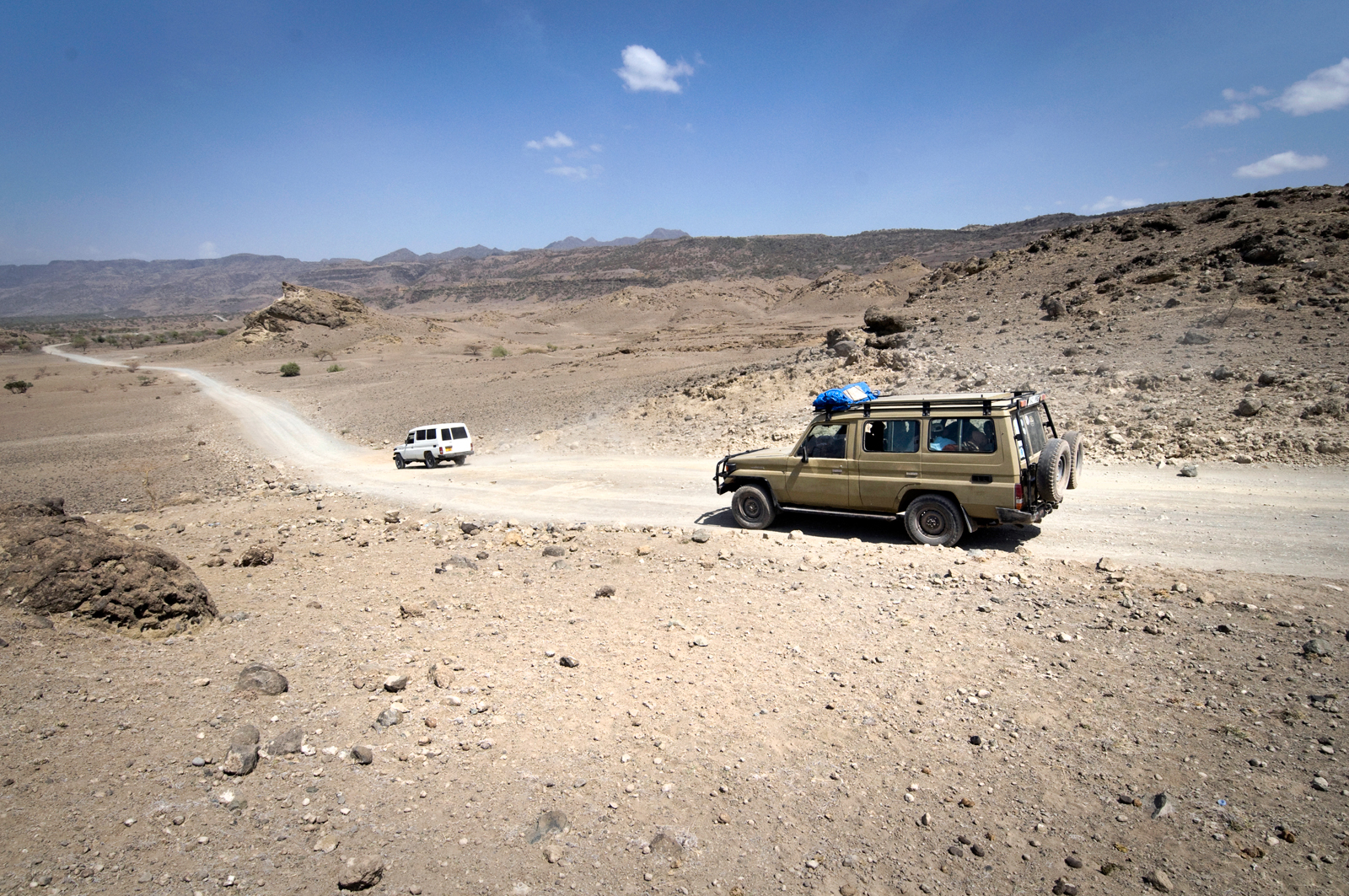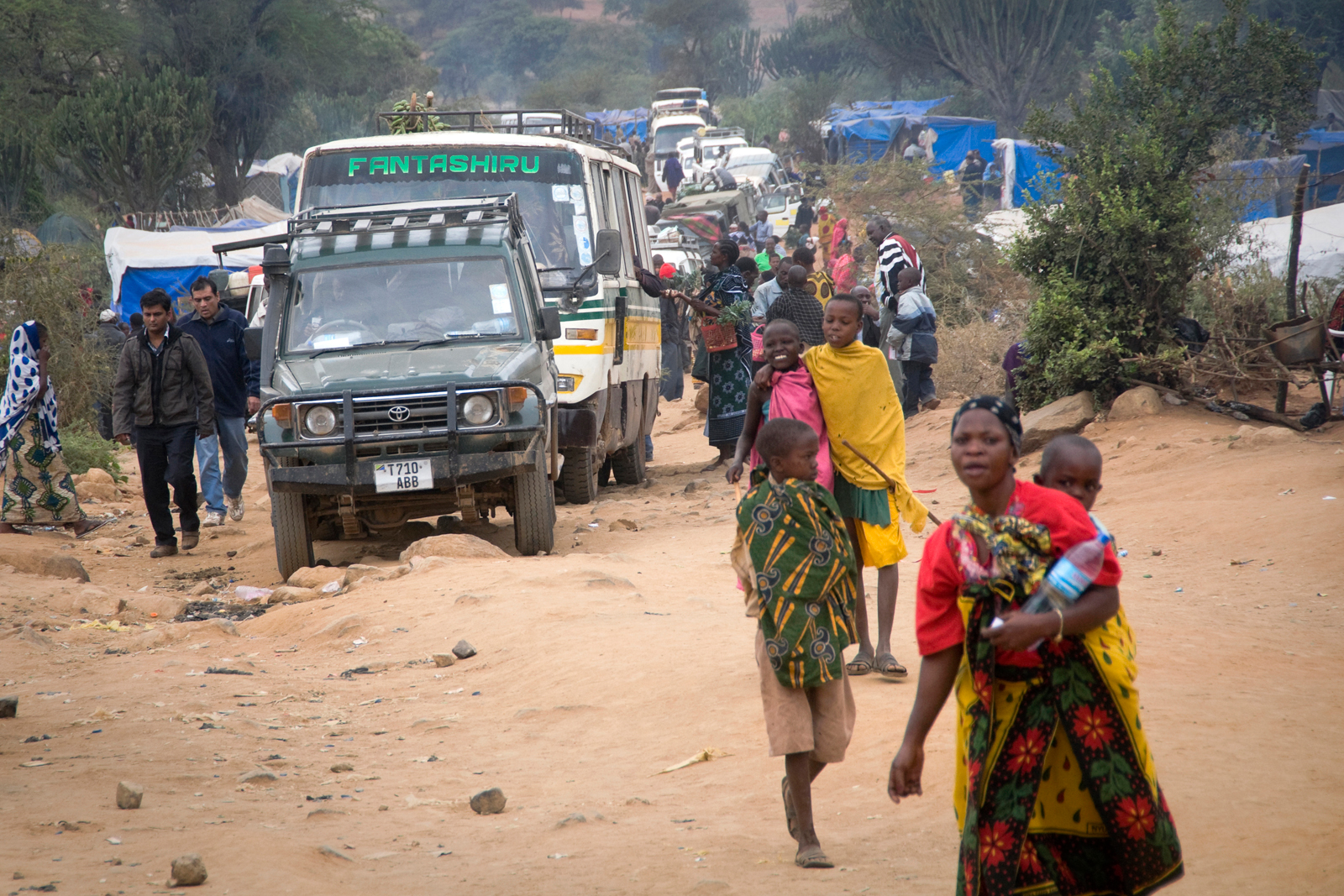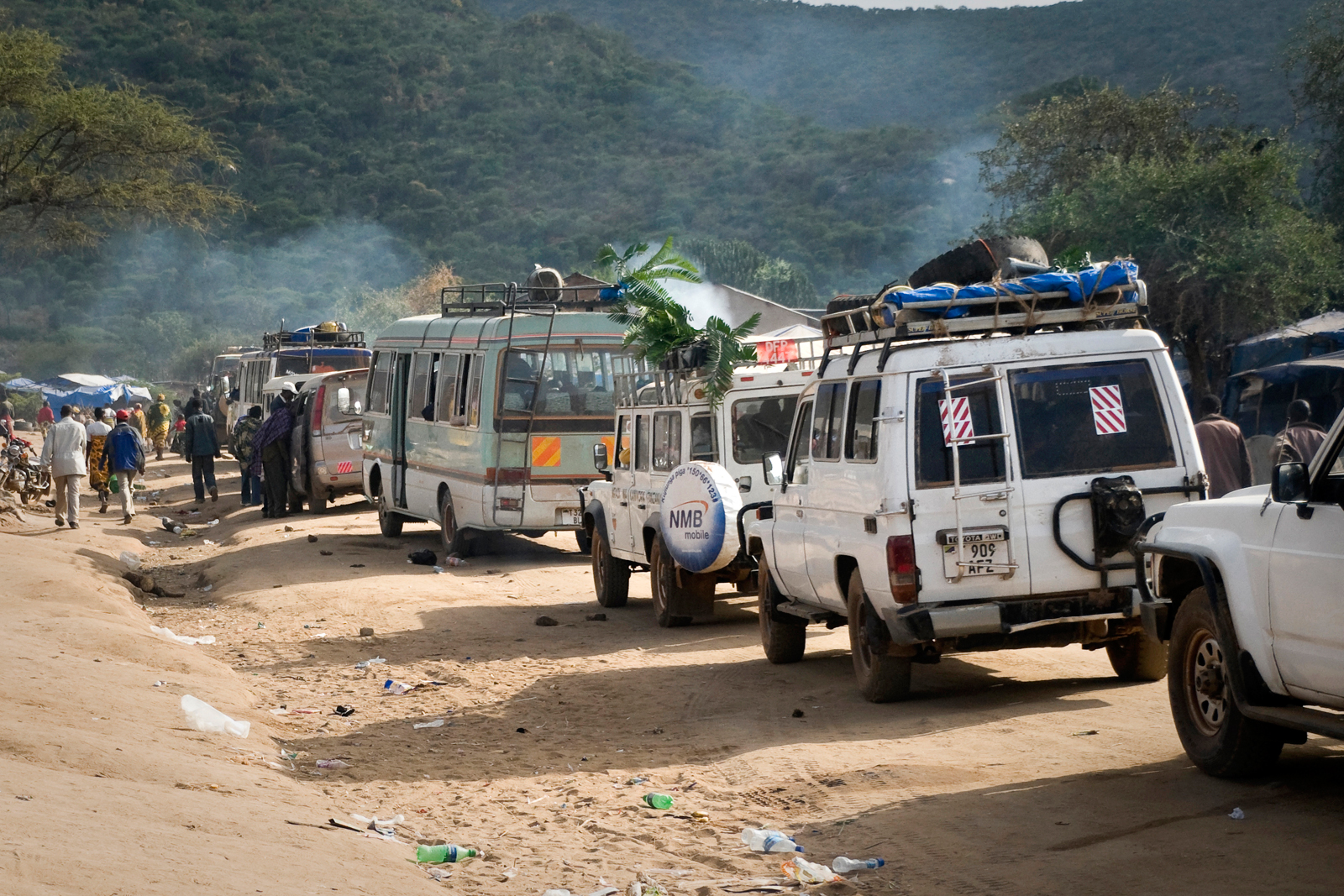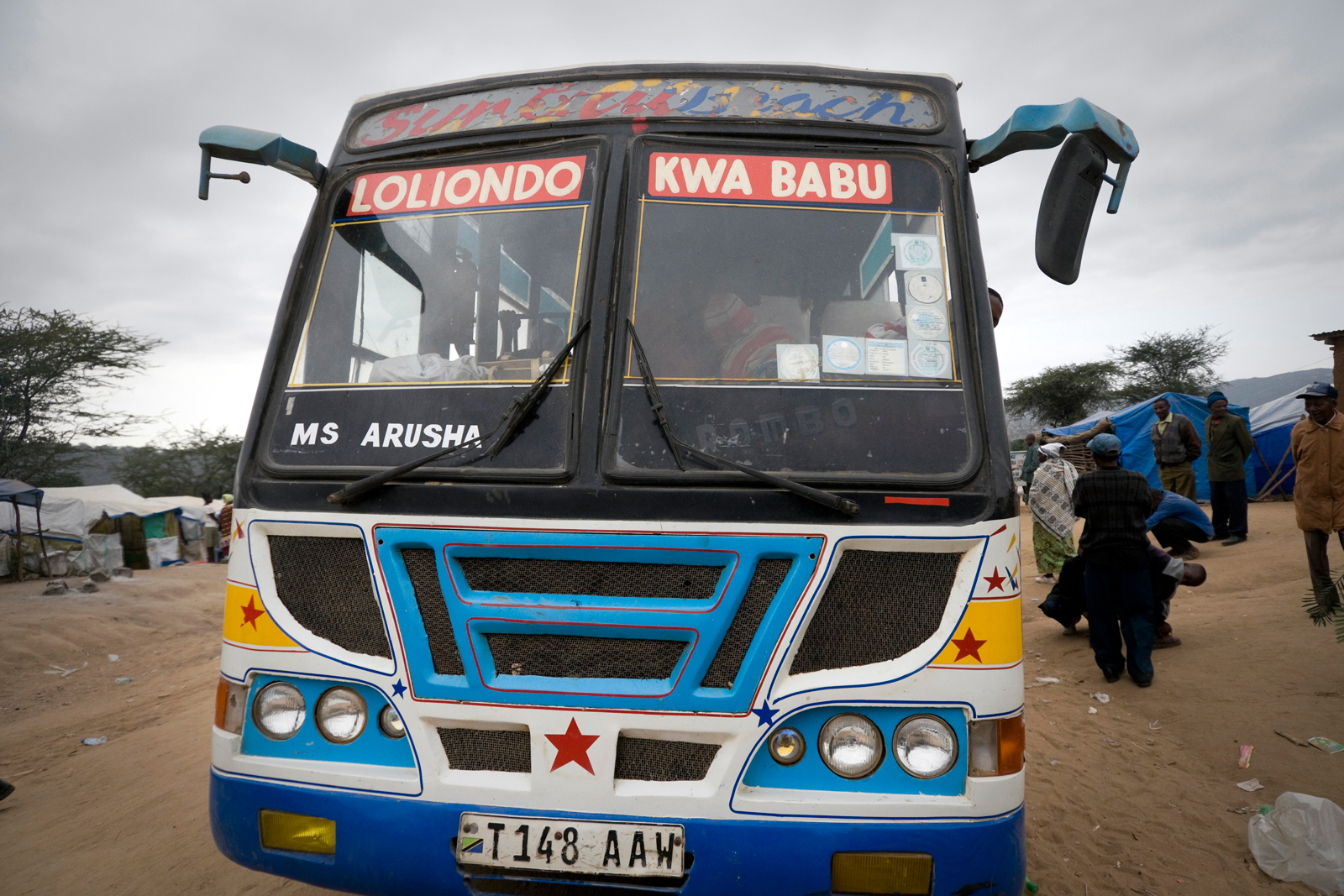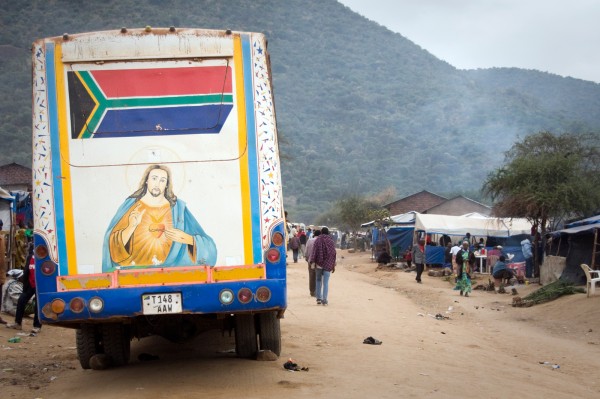
On the trail to Loliondo.
In a tiny village in Tanzania, something big is happening…
THERE WERE SIXTEEN OF us in all: three crammed in the front row, four
in the second, and about nine in the back. A few mother-daughter pairs,
a single businessman, a government economist, a woman who held a prayer
session every time we started the car, an old man who never uttered a
word, and a handfull of small children. I still don’t exactly know who
they belonged to.
Our departure point was Arusha, the busy wildlife safari hub of
Tanzania, but a luxurious five-star safari to the Serengeti was probably
the farthest possible experience from what we were in for. Certainly
one could describe the impending adventure as a “safari”, but only in
the true Swahili sense of the word: “a very long journey.”
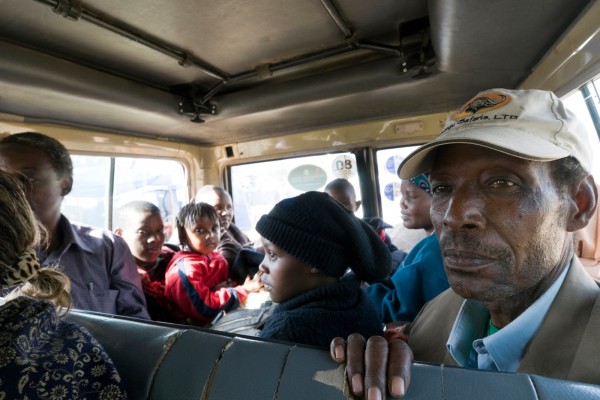
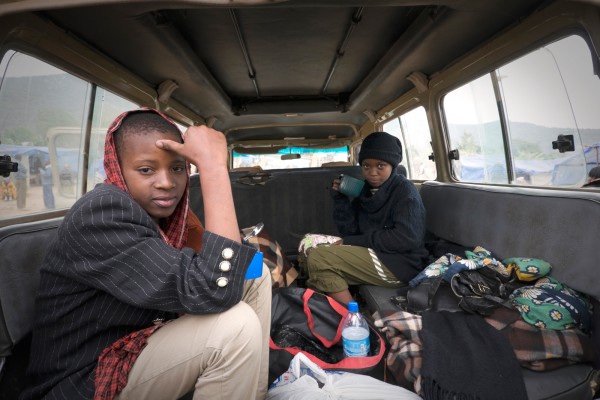
Our goal was to reach the tiny village of Samunge, in Loliondo, which
lies deep in northern Tanzania and skirts the boarder with Kenya. A
rough five-hour drive from even the most faintly paved roads, it’s a
place far beyond the even the most offbeat backpacking trails, where
brilliantly adorned Maasai warriors and their children chase down
passing vehicles, hawking enormous bricks of salt they recently hauled
out of Lake Natron.
In the distance hangs the highly active volcano Ol Doinyo L’engai,
(literally “Mountain of God” in the Maasai language), its destructive
power visible in the long, deep scars burned into the barren landscapes.
Cell phones fail to find even a single bar of reception.
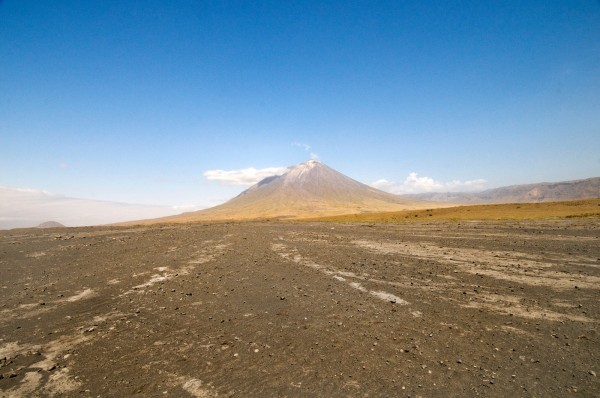
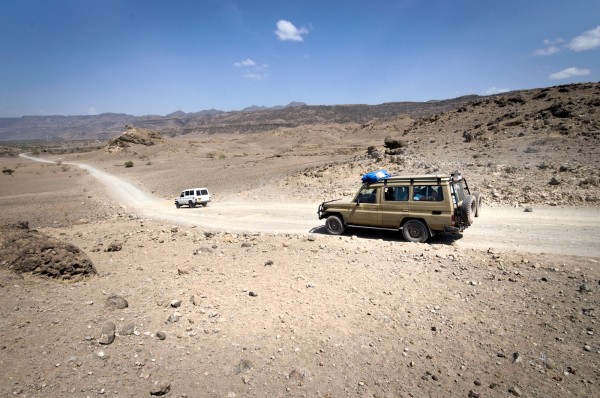
Before this year, Loliondo was nothing more than another unremarkable
dot on some remarkably detailed map. Yet since February, Loliondo has
captivated Tanzania’s attention and led to a massive migration of people
flocking by bus, car, motorcycle, land cruiser and for the fortunate
few, by helicopter, to this tiny rural village. At one point in March,
it was reported that over 20,000 people per day were arriving at
Loliondo. They’re all in search of one man: retired Evangelical Lutheran
pastor and “miracle healer” Rev. Ambilikile Mwasupile.
Known to most as simply “Babu,” he’s been doling out thousands of
doses from his “Kikombe cha Dawa” (cup of medicine), a “secret” potion
apparently derived from the
Carissa edulis plant (known locally
by many names, including the Mtandamboo plant and Mugariga tree) that’s
said to cure those who imbibe it of everything from common headaches to
diabetes, asthma, epilepsy, cancer and HIV/AIDS.
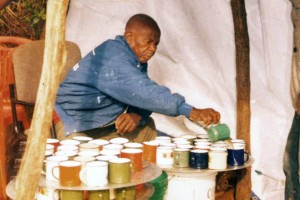
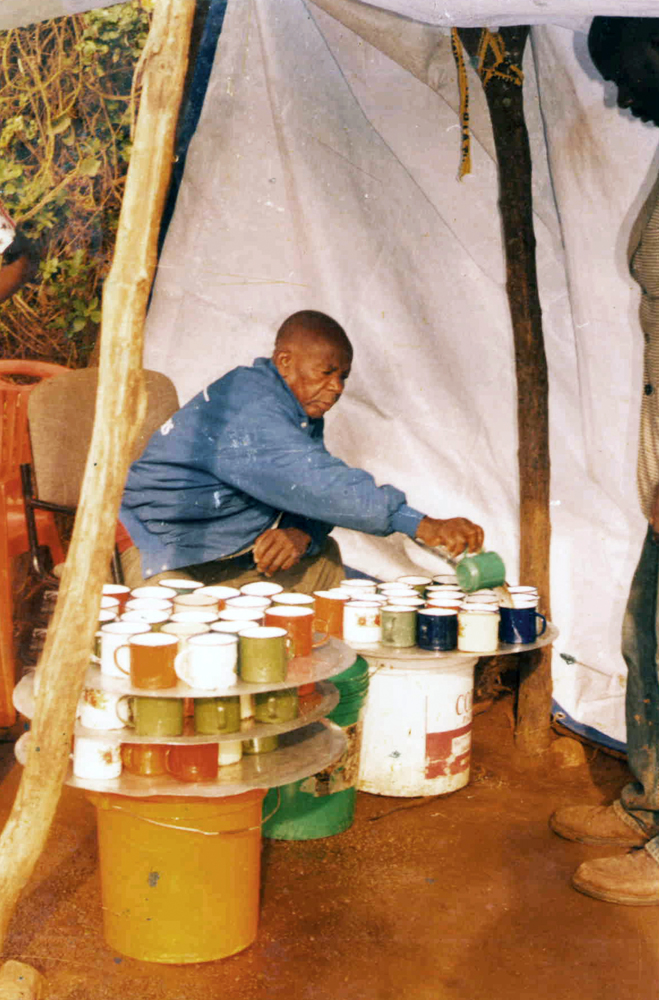
The Babu himself.
Yet one must not be deceived by this modern medical breakthrough.
It’s not the plant itself which contains the cure. It’s the distilled
drink, according to Babu, which bears the “power of Jesus,” brewed
solely by Rev. Mwasupile himself, drunk only within the gates of his
compound, and by those who truly believe, which holds the cure. It’s
kind of like an energy drink from god, which is to be administered only
under specific FDA guidelines.
In May, after probably months of internal debate, the government of
Tanzania finally took a loose stance, declaring that the concoction was
“not toxic and safe for use”, a vague statement at best neither denying
nor endorsing its “healing” capabilities. The fact that dozens of
ministers, the Prime Minister, and even the President of Tanzania,
Jakaya Kikwete, have visited Babu of Loliondo and sipped from the cup
only serves to subtly reinforce its power to the public.
As chronically sick people from across the country and around the
world flocked to Loliondo in hope of a miracle cure for their ailments,
they often were reported to have abandoned previous treatments, doctors’
instructions, and their HIV/AIDS medications. A close friend who works
at a private hospital in Dar es Salaam has seen dozens of individuals
coming back from Loliondo to be re-tested for their illnesses. She has
seen no change in results.
But I haven’t come across too many miracle healers in my lifetime, so I simply couldn’t resist the urge to go.
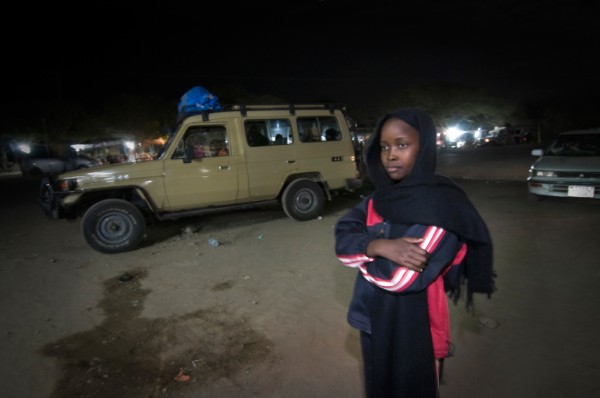
One
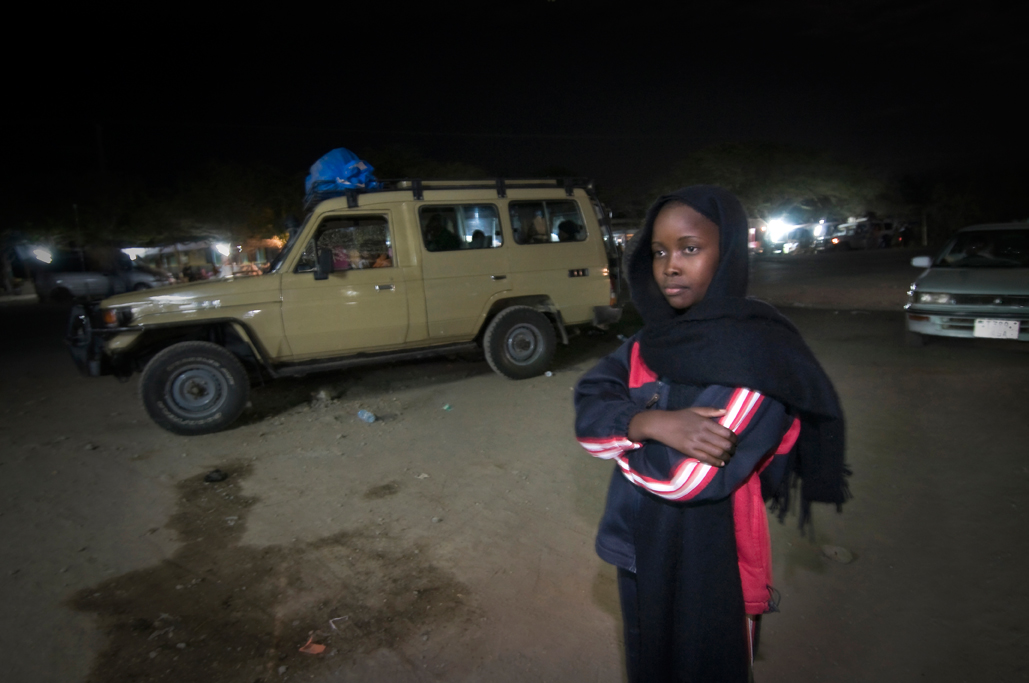
of my co-passengers, MaryLuck. In what appeared to be very good health,
she came in from boarding school on the coast at her mother's behest.
"She might be sick," her mother told me, "you never know what's on the
inside."
After a quick stop at a gas station to pick up some essentials–Red Bull, biscuits, water, and some
Konyagi
(Tanzanian liquor) in case of dire emergency, we headed north. We
passed around and shared the food among the 16 of us in the cramped Land
Cruiser, each excited by the uncertainty of what lay ahead. Two and
half hours later, our Land Cruiser took a turn off the smooth pavement
and began hobbling down an even darker dirt road towards Loliondo.
As we cleared the immediate brush and trees off the main highway, the
landscape suddenly transformed, teleporting us into what seemed like a
completely separate world. We quickly descended down a ridge into
complete, flat blackness; the moon was nearly full, but not a single dot
of light could be seen on the horizon. All that surrounded us was an
eerie black ocean of terrain surrounded by sharp mountains. Our high
beams penetrated the cloud of dust kicked up by a constant rhythm of
gas, break, gas, break, meticulously navigating around ravines and
boulders.
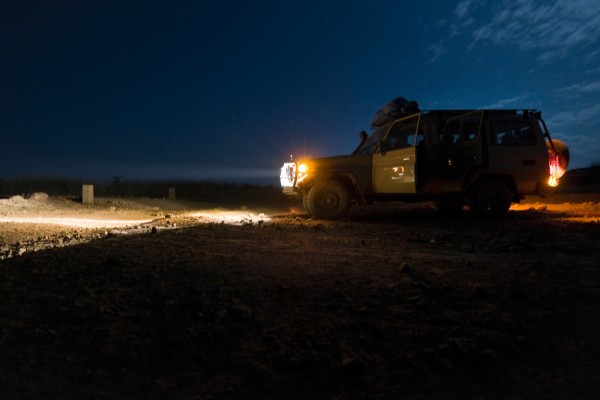
We stopped only to go to the bathroom, a herd of Zebras illuminated
in our path. Sleep was hopeless, resulting in nothing but painful
whiplash the moment the neck fell slack, so our minds drifted into the
sea of darkness outside.
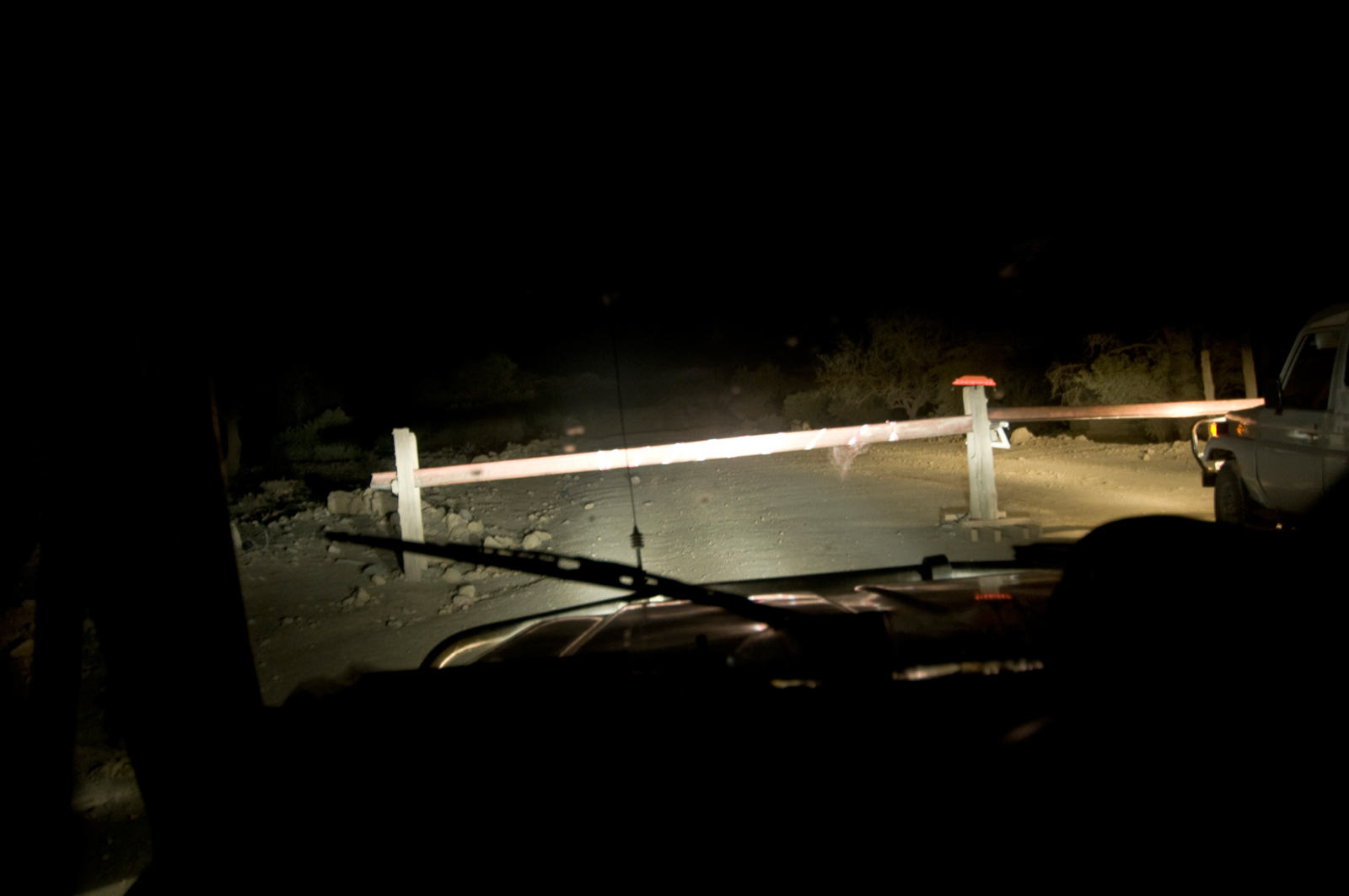
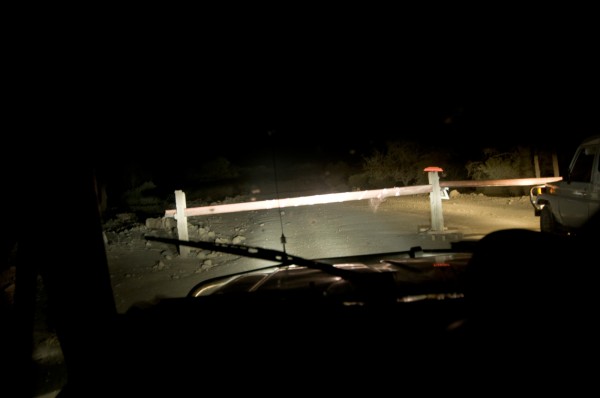
At 3:15 AM, after multiple random checkpoints, we arrived at the
impromptu gate to Loliondo. Like a teenager waiting to enter a punk rock
music festival, a sense of giddiness and electrified curiosity came
over me. I’d read the reports in the local papers from weeks earlier.
Thousands of sick people waiting for Babu. No water, no sanitation, no
accommodations. It seemed like a humanitarian crisis waiting to happen.
Bodies of those who couldn’t make it littered the path, they said.
The idea of a medicine man is not uncommon in this part of Africa.
These traditional healers can be found in nearly every village, and in
many cases they are the first medical line of defense in rural areas.
Most people will see their local healer with an ailment long before they
make a one, two, or even five hour trek to a medical professional.
”Miracle healers” like Babu, however, are a little less frequently
available.
It only took a small bribe at the gate, the result of a passport
mistakenly left at a guesthouse in Arusha (who knew you needed a
passport when you weren’t crossing boarders?), and we were in. Our Land
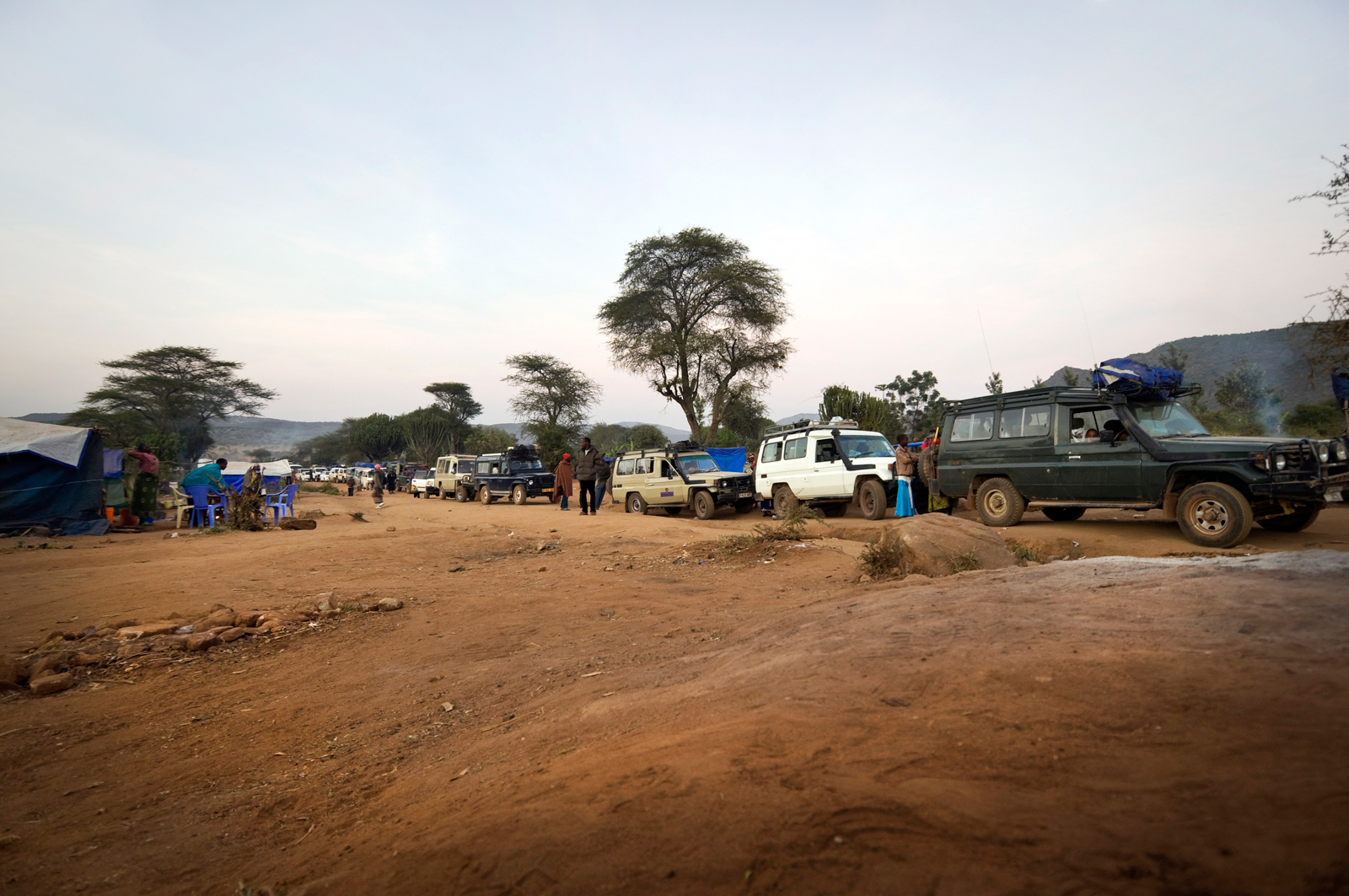
Cruiser crept up the hill, and we watched a line of cars snaking down
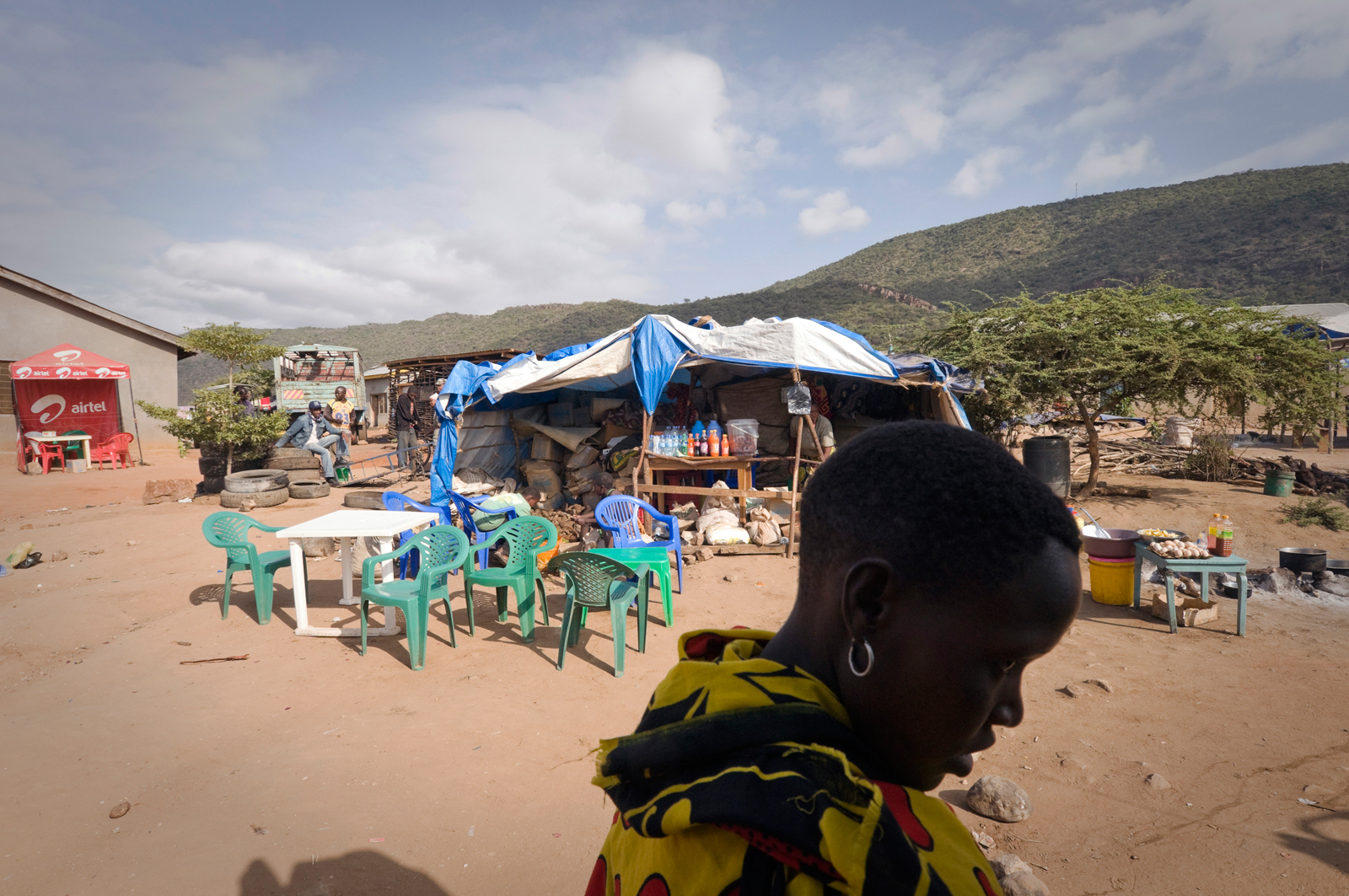
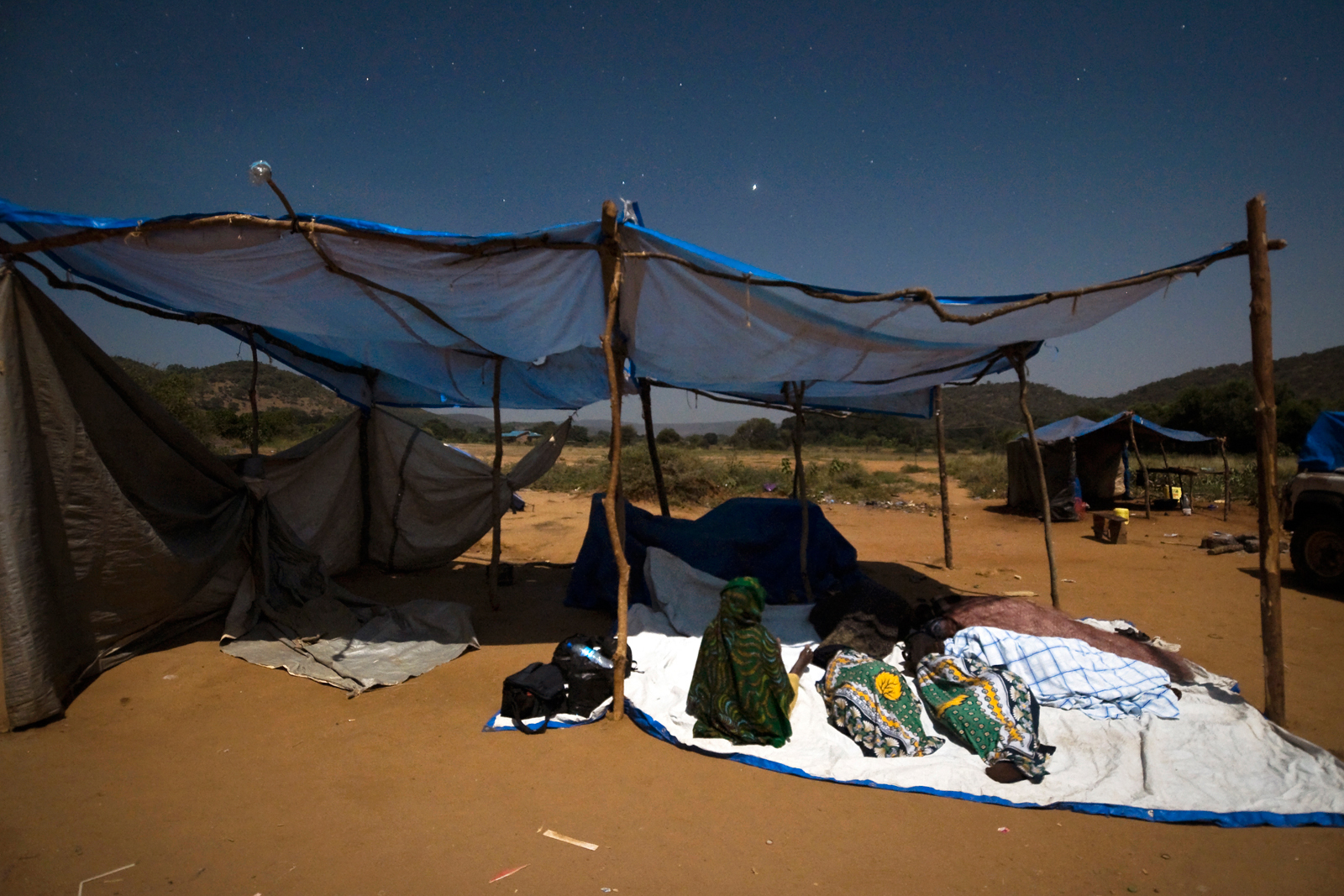
the dusty path. Pop-up tents everywhere. An entire town, it seemed, of
blue tarps and sticks. Not until much later, walking up the path towards
Babu’s compound, did we see any permanent structures.
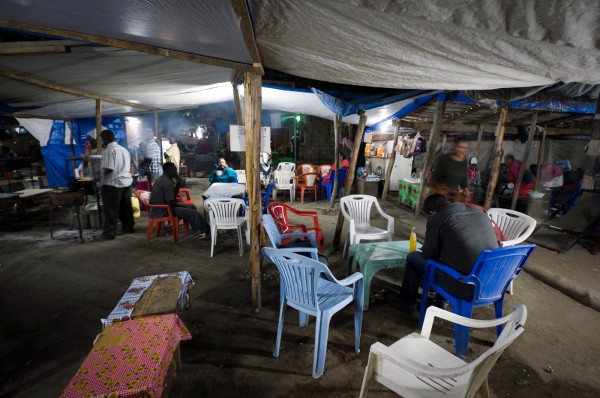
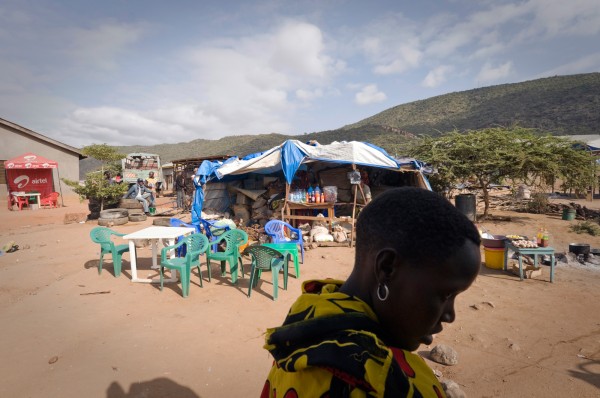
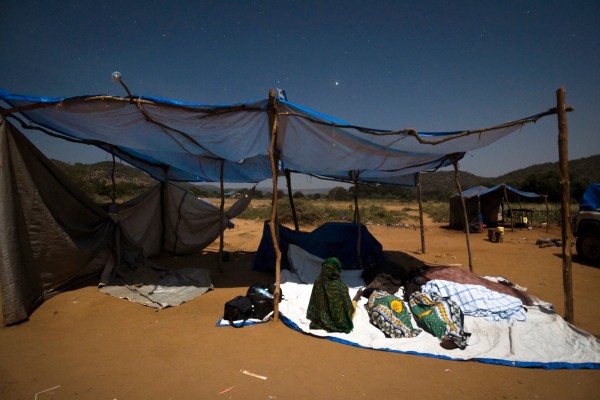
While most of our fellow passengers passed out on an open a blue tarp
immediately after our arrival, our trio–a journalist, a photographer,
and Max the Translator–set off to explore the area in the wee hours
before dawn, talking to locals and stepping around mangy street dogs. It
cost 500 shillings to go to the bathroom (a hole in the ground with a
tarp around it). If you chose the seemingly more sanitary option–a
bush–a Maasai tribesman would kindly round you up and point you the
other way. To pay, of course.
We met Alfons, a village council member with good English who now
runs one of the most high-tech tents in the town with a generator,
multiple phone chargers, and a TV that blares Bongo-flava DVDs from 6 AM
onward.
Rehema, a woman at least a few sheets to the wind from her
double-shot packets of Konyagi, came all the way from Dar es Salaam to
see Babu because of a headache she had for two weeks. Her mother-in-law
came with her son from Germany, and her grandma came with heart trouble
“and a massive obesity problem,” said Rehema.
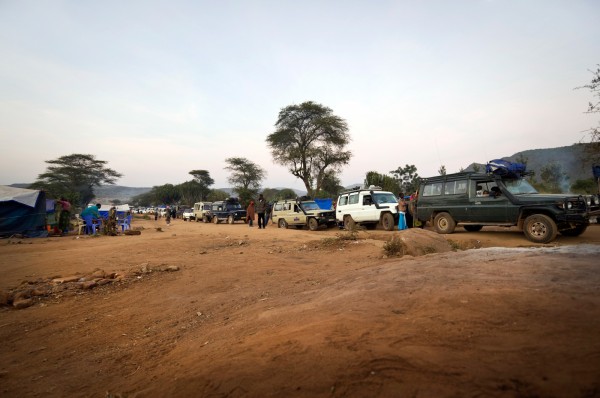
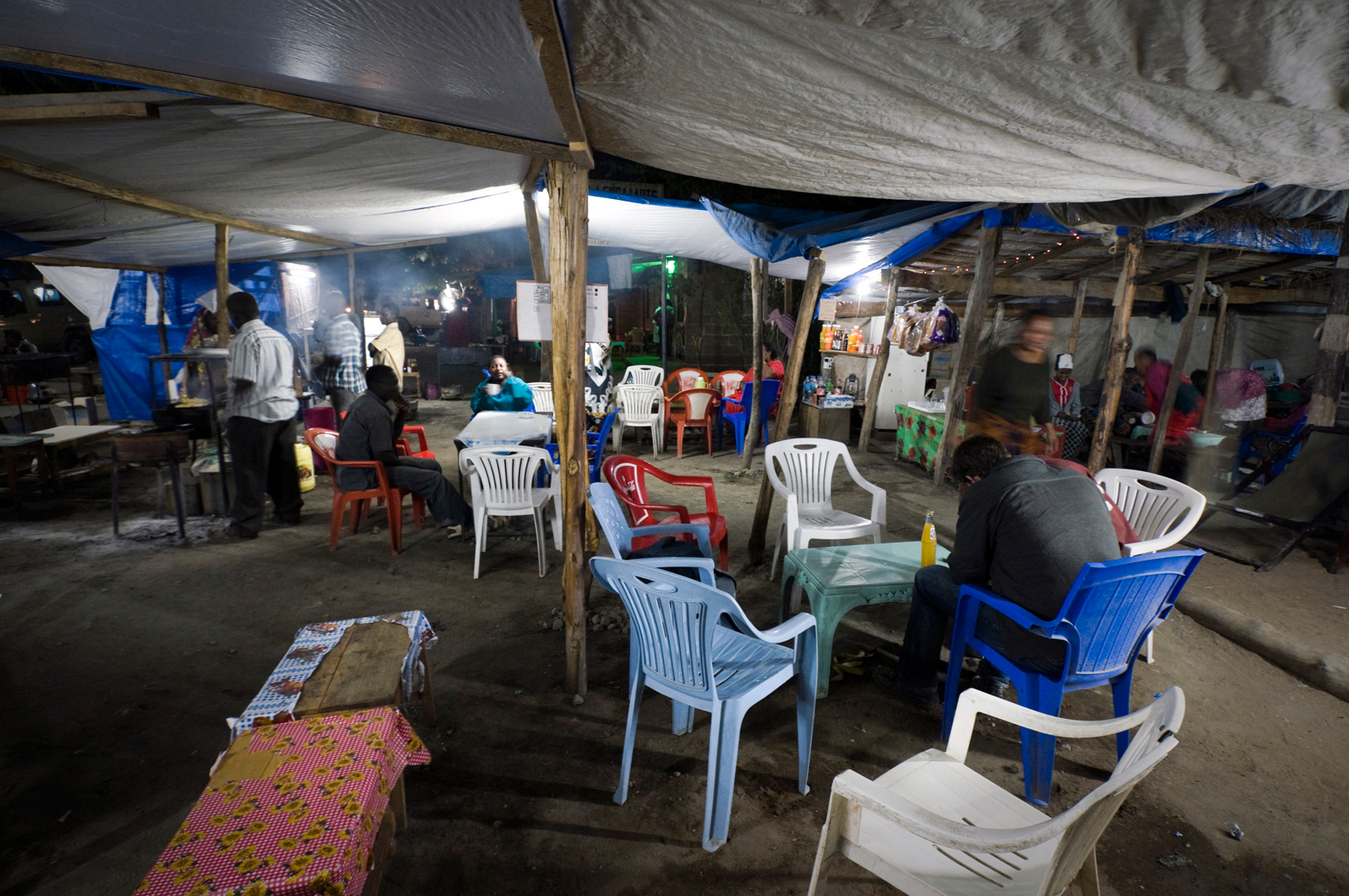
As dawn approached, small fires began stirring in the lanes between
the cars and tents, filling the air with aromas of milk tea and greasy
chapati bread. Wake-up time was the moment Alfons cranked on the
television, and sleep was again futile in the midst of his blaring music
videos.
The transient city awoke slowly, and people began trickling out of
buses, Land Cruisers, tents and bushes and into the small food stalls.
As the light dawned on Loliondo, the situation was much better than I
had imagined. Trash littered the dirt road, haphazardly-constructed
tents precariously balanced on one another, but there were no dead
bodies, no open defecation, and enough food and water for an entire
army. The line of cars, trucks, and buses stretched perhaps only 300-400
deep, carrying probably around 3,500 people.
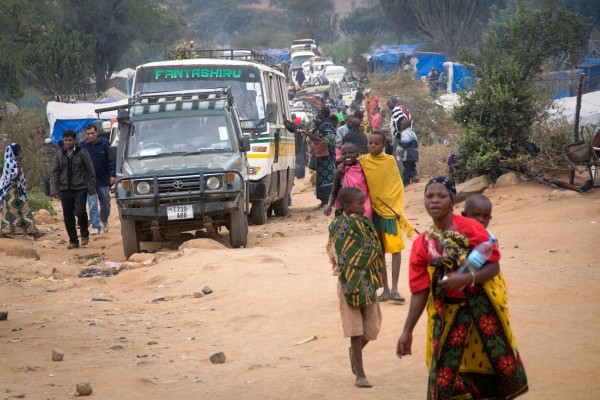
At the entrance to the Babu in Loliondo. All photos by the author.
At 8 AM, Babu himself was scheduled to speak to the crowd in front
of his compound. We anxiously made our way up the hill as he began
preaching the powers of his medicine and the restrictions of it’s
use–most importantly not to take it off the compound, because it won’t
work, and if you’re a witch doctor, it won’t do anything for you. It
might even kill you, actually, if you are a witch doctor.
Halfway through his quite uncompelling speech, I found myself pulled
out of the crowd and hassled by yet another immigration offer. This
time, I got away without a bribe, after assuring him I was simply,
cough, a “Christian from America seeking to drink from Babu’s cup of
miracles.” I was, absolutely, not a journalist.
So there we were, ready for our holy grail, our cup of miracles, our
magic cure, when suddenly we were all instructed back to our cars and
told that we would simply drive through the compound and receive our
drink by Babu’s servants. Not even the McDonalds’ playbook could hold
something so brilliant and divine. A drive-thru cure of all your
ailments served up a variety of colored plastic cups.
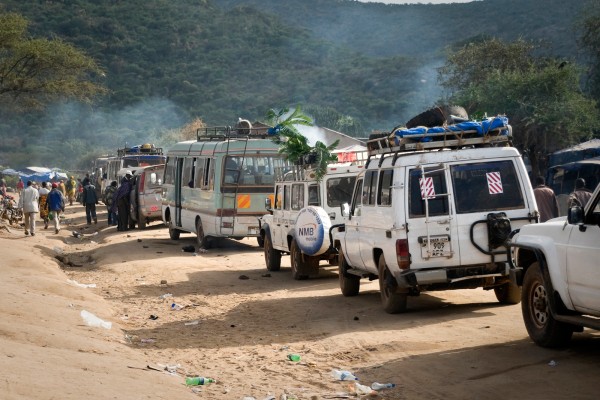
In less than an hour, our Land Cruiser rolled into the compound. The
plastic cups with an opaque, greenish liquid were thrust into our
windows, and we were ordered to drink. I waited patiently as we passed
the cups to the families in the back seat until I received mine. Without
hesitation, I downed the sucker, which left an earthy, almost minty
aftertaste in my mouth. And then it was all over.
We returned the cups, and drove off, back another seven grueling hours to Arusha. I felt kind of used.
I felt a little lightheaded. But my guess is that this was from the
lack of sleep. More than anything, though, I just couldn’t get my head
around the whole endeavor; I understand the power of faith, I do have a
belief in traditional medicine, and can see why, when faced with little
alternatives in a failed health system that people seek this miracle
cure from all over East Africa. But seriously, a drive-thru?
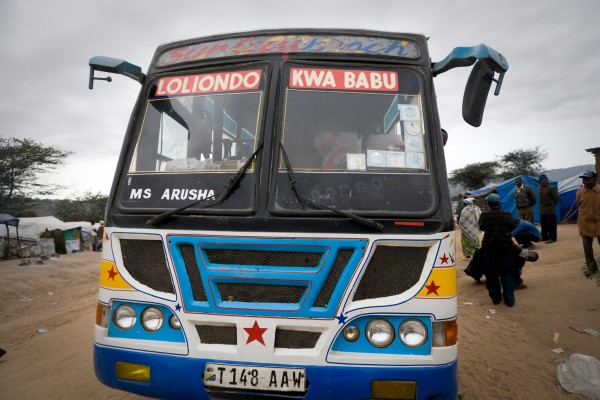
Whatever. It was worth the trip. And if the government of Tanzania
declared it “non-toxic and safe for use,” well, what did I have to lose?
Aside from, perhaps, my already dwindling faith in certain governments.